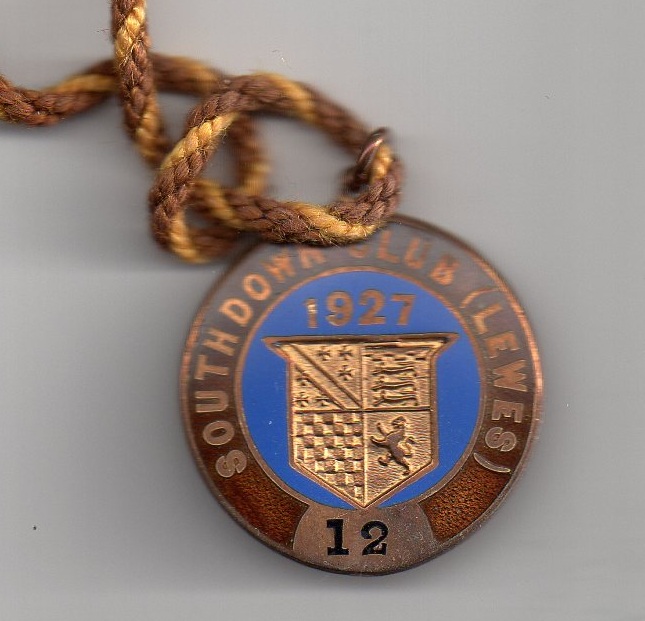
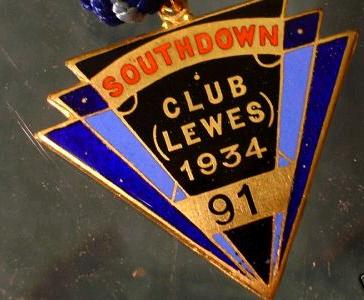
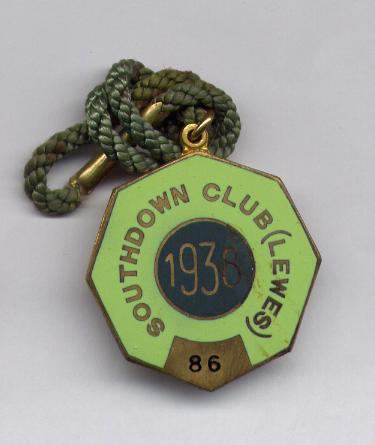
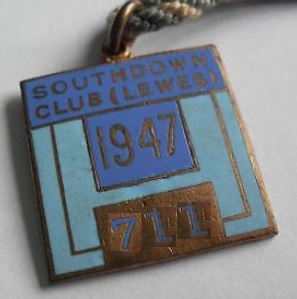
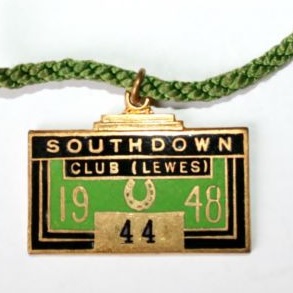
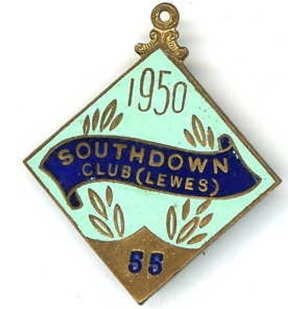
Vincent Hinde Collection
Lewes Racecourse
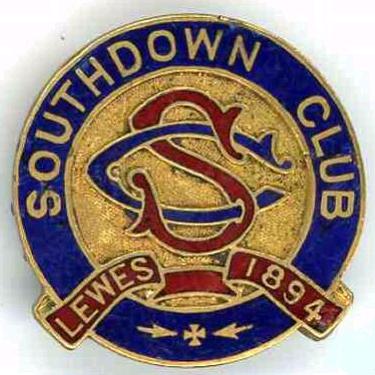
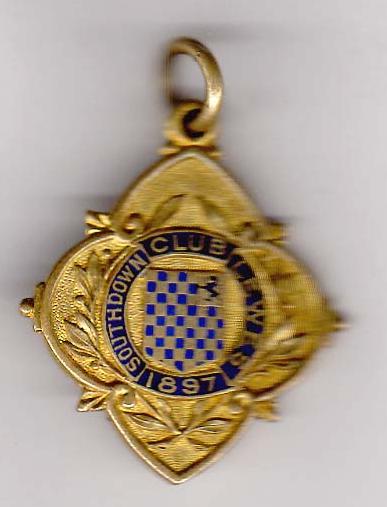
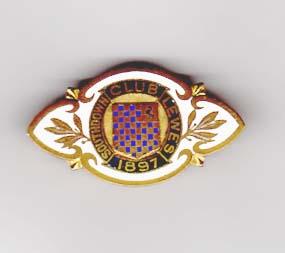
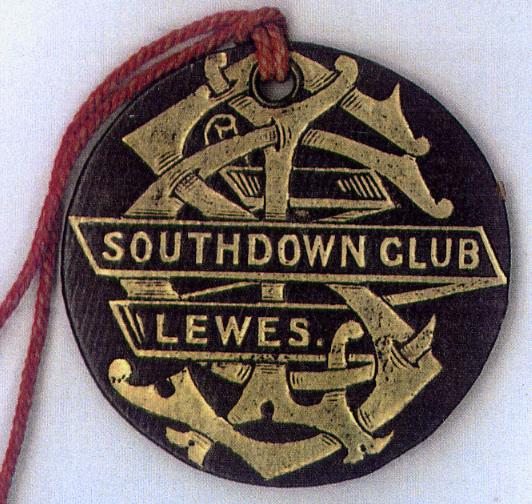
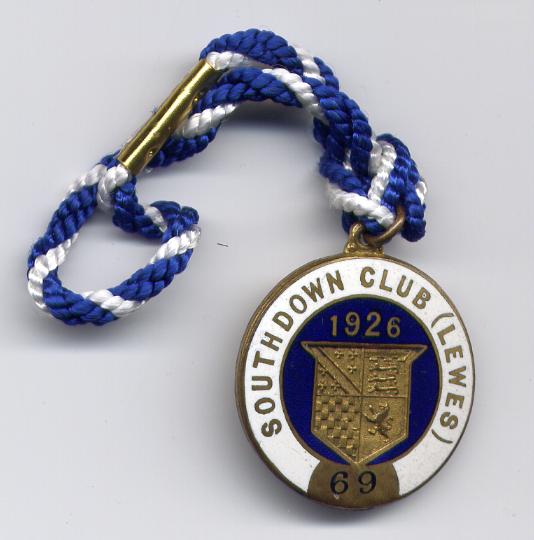
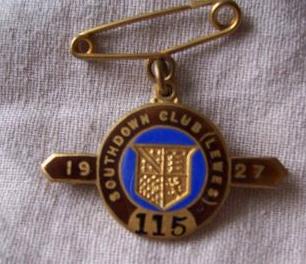
Earliest meeting: Tuesday 27th May 1712
Final meeting: Monday 14th September 1964
The East Sussex county town of Lewes, famous for its castle, its former racecourse and as a market town, lies less than 9 miles from Brighton. The earliest record of racing taking place in the town was from an article in the London Gazette 8th – 10th May 1712 which stated, ‘A Great Plate, a Town Plate of 15 pounds, and a Galloway Plate, to be run on the Lewes Plate Course on 27 May 1712’. The town was certainly staging regular race meetings by 1727 when a two day meeting was held on 10th and 11th August with the highlight being the King’s Plate. The course was located just a mile west of the town centre, on excellent racing ground 500 feet above sea level, at the foot of Black Cap Hill. The first stands at the course were erected in 1772 and the course attracted some of the top thoroughbreds of the day, including Derby winners. Indeed the first Derby winner, Diomed, ran his last race at the course in 1783. The course was also popular with Royalty and the Prince of Wales, later to become King George IV, was a regular visitor. Its biggest claim to fame was that it witnessed a triple dead-heat in the Astley Stakes of 1880, not remarkable in itself (although unusual) but the next 2 horses, a short head behind, also dead heated. Remarkably 5 horses finished within a short head of each other. The handicapper certainly earned his money that day. The Champion jockey for 13 consecutive years, Fred Archer, frequently rode at Lewes and on 5th August 1882 he was aboard 6 of the 7 winners at the meeting. In its heyday the course was hosting six meetings within nine days of each other on a Monday and Tuesday, Friday and Saturday, as well as the following Monday and Tuesday. However, once a halt was called to these extended meetings in 1955 the course was allocated meetings predominantly on a Monday and a steady decline began. The final meeting was held on Monday 14th September 1964.